Introduction (The Shock)
This is my kidney transplant journey—from the shock of end-stage renal disease (ESRD) diagnosis through dialysis to receiving my brother’s gift of life.
Life can stop. Really. Mine stopped in a doctor’s office in May 2023. I was on a break from work, just enjoying time with my family. My two-year-old son was my whole world. My wife and I were only three years into our marriage, and things were good. Really good.
Then the doctor said, “End-stage renal disease.”
My mind went blank. “No,” I thought. “This is a mistake.” I felt cold, right in the middle of my chest. In one second, every plan I had—my job, watching my boy grow up—just disappeared.
Then he said the word “dialysis.”
And a shadow fell over everything. I was more scared than I’ve ever been in my life.
I’m writing this because I remember how lonely that fear was. If you’re hearing those words right now and your world is falling apart, I understand. I really do. This is my story of how I got from that awful moment to finding hope again.
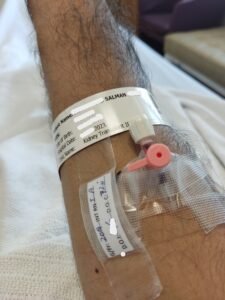
My ESRD Diagnosis: Facing Kidney Failure
Looking back, my body was trying to tell me something was wrong, but I didn’t listen. I was too busy achieving my big goals and studying day and night to pass exams and then earn my master’s degree.
I was always tired. Not just sleepy, but the tired where getting through a typical day felt like a struggle. I didn’t want to eat animal protein, my skin was becoming pale, and I had a total lack of energy. I’d get angry over small things, which wasn’t like me at all.
I kept making excuses. I told myself, “It’s just stress. It will pass. Just keep going.” It was my mistake, my negligence, not to take care of my health during my studies.
Then one day, my body collapsed and fell apart. I found myself in the emergency room of a hospital. Even then, I hadn’t realized what had happened to me or the severity of the problem.
Then I got the diagnosis: End-Stage Renal Disease.
Hearing “kidney failure” didn’t feel like I was learning a fact. It felt like the floor had disappeared under my feet. My first thought was, “How? Why is this happening to me?” It was more of a cry for help than a real question.
In that moment, all my plans for the future just vanished. I felt a heavy weight on my chest, and it became hard to breathe. I wasn’t just scared—I was totally lost.
The Dialysis Chapter: My 4-Hour Lifeline
After the diagnosis came the treatment, then came dialysis.
That one word took over my entire life.
They started with a line in my neck. It was an emergency, and I had no AV Fistula ready. I stayed like that for a month.
A week later, I had surgery on my left arm. They created an AV Fistula.
Then I had to wait for a whole month. I had to wait for it to mature and become strong enough to use.
The machine was my lifeline. It was the only thing keeping me alive.
But it felt like a chain. I was trapped. My world shrank down to the dialysis center.
The Fistula
The first real sign of my new life was the fistula in my arm. But my story with it is more complicated and frustrating than most.
The surgeon put an AV Fistula in my left elbow. I found out later that this is the second choice. The best spot, the wrist, was already damaged.
Here’s why: When I was first in the emergency room, a nurse made a big mistake. She put an IV drip in my left wrist. It stayed there for three days, causing the veins to get inflamed. When the surgeon checked with an ultrasound, he saw the damaged veins. But he didn’t wait for them to get better. He just put the fistula in at my elbow right away. At the time, I had no idea what was happening or what it would mean for me later.
After my transplant, the trouble really started. My left arm, where the fistula was, always hurt. It often felt cold and numb. It got so bad that I couldn’t really use my left arm for two years.
Finally, I talked to my kidney doctor and a different surgeon. They explained that the fistula had gotten too big. To save the rest of my arm and protect my heart, I needed to have it closed. So, two years after my transplant, I had another surgery to shut it down.
Now, with the fistula closed, my arm is finally getting back to normal.
That fistula kept me alive, but for years it was also a source of constant pain and a reminder of a mistake. I’ll share more about that closing surgery in another post—what it felt like and what I learned.
The Routine
My life started running on a new schedule: dialysis days. Every Monday, Wednesday, and Friday, like a strict schedule I couldn’t escape, I’d drive to the clinic.
That smell—like cleaning supplies and medicine—hit me as soon as I walked in. I’d sit in the same chair every time. Then came the routine: the cold swipe of the alcohol pad, the sharp sting of the needles going into my arm, and that weird feeling of watching my own blood flow out of me through transparent tubes.
The machine made a constant whirring and beeping noise for four hours. That was the sound of my life then. I tried to distract myself with my phone, but I always ended up just watching the machine, knowing it was doing the job my own body couldn’t.
But the most challenging part came after. A deep, total exhaustion would hit me even before I got home. I’d walk in the door and fall into bed, empty. My whole body felt heavy and strange. The next day was spent regaining enough energy to do it all over again.
The Pain & Challenges
But dialysis was more than just the sessions. It took over my whole life.
The pain was always there in the background. My legs would cramp so badly that it would wake me up at night. I had constant headaches. My fistula arm always had a dull ache.
The diet felt like a prison. I remember watching my family eat cold watermelon in the summer while I counted every single sip of water. I was always thirsty. I missed simple foods like a banana or some French fries, but I couldn’t have them.
The worst part was losing my freedom. A sudden trip with my wife and son? A full day at work? Even a simple visit to the park? None of it was possible. Everything in my life had to be planned around my dialysis schedule.
Fighting this in my mind was even harder than the physical pain. I felt trapped. I was sad about the life I lost. Some days, the feeling of depression was so heavy, it was worse than the sickness itself.
The Turning Point – The Decision for Transplant
After weeks on dialysis, I couldn’t take it anymore. I was alive, but I wasn’t living. I was growing weaker, both physically and mentally.
My wife immediately expressed her desire to donate her kidney to me. But our blood groups didn’t match. Then, my younger brother, who was 27, said he would do it. His blood group was the same as mine.
That was the day everything changed. For the first time, I had real hope. I could picture an everyday life again—playing with my son, chasing my dreams. It gave me a reason to fight the dark thoughts in my head. The sleeping pills and antidepressants weren’t working, and even talking to a psychologist didn’t stop the worry and fear from spinning in my mind.
Then the lengthy testing process started. So many tests and questions. It was an emotional rollercoaster, waiting to see if my brother was a perfect match. Every time the phone rang, my heart would jump. But underneath all the fear, there was now a small, steady hope that things could get better.
My Kidney Transplant: The Light at the End of the Tunnel
Then, the call came.
I remember all the hectic tests: the blood work, the scans. The most important one was the tissue matching with my brother.
When the result came in, my coordinator told me that our match was excellent. That meant my body would be less likely to reject his kidney.
However, we then encountered a significant obstacle. Just before my surgery date, they found out I had Hepatitis C (HCV). I was shocked. I didn’t know how I got it. Maybe from a dialysis machine.
It felt like a nightmare. My transplant was put on hold.
I went through three months of treatment for it. Thankfully, my liver function test returned to normal after just ten days.
Finally, we got a new surgery date.
The weeks leading up to the transplant were the hardest of my life. Daily hospital visits. More tests.
I was so nervous before every one of my brother’s test results. He was my only hope.
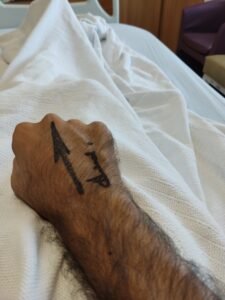
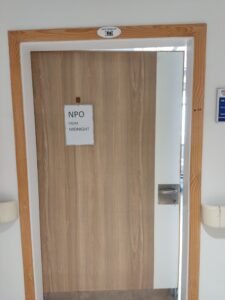
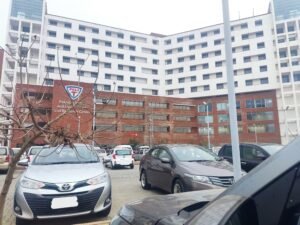
The day of my surgery at the Pakistan Kidney and Liver Institute (PKLI) in Lahore finally arrived.
Waking up after the surgery was a strange feeling. The first thing I noticed was that the heavy dialysis fatigue was gone.
I looked at my arm. No needles.
I knew my life had just changed completely.
It wasn’t the end of my journey. It was the most beautiful beginning. I felt a wave of relief and hope I hadn’t felt in years.
Conclusion: Why I’m Sharing This With You
I’m sharing this raw story for one simple reason.
If you are walking this difficult path, I want you to know you are not alone.
Not in your fear.
Not in your pain.
And not in your hope.
My experience taught me something. Even when you feel completely broken, there is a strength inside you that you don’t know is there.
Renal Renewal was born from that strength.
This blog is my way of reaching out.
It will be an honest guide for life _after_ the transplant—the good days, the hard days, and everything in between.
In my next post, I’ll share my kidney transplant recovery experience —the new medicines, the clinic visits, and the fantastic feeling of rediscovering simple joys.
Privacy Policy | Medical Disclaimer