My first conscious thought was for my family. I needed someone to tell my father I was okay, and my heart immediately reached out to my brother. I felt surrounded by a medical team, and I remember one of them smiling at something I said, though the memory is hazy.
I slowly drifted out of the heavy fog of anesthesia and found myself in the Intensive Care Unit. The sounds of beeping machines and blaring alarms formed the backdrop of this new reality. It was overwhelming and disorienting.
This is the reality of kidney transplant recovery, right after the shock of diagnosis and the struggle of dialysis. A nurse’s voice broke through, asking if I was okay. That’s when the full force of the pain hit me—a deep, unbearable ache that made it impossible to move even a single toe. I felt completely trapped in my own body.
At the same time, I was aware of the IV fluids flushing the years of built-up toxins from my system. The nurse told me that my new kidney was working efficiently and producing a massive quantity of urine, which was fantastic news after a transplant.
That confirmation was made by the nephrologist the next morning when he visited me. Hearing it from him, too, made all the struggle feel completely worth it.
That first night was a strange mix of the worst physical pain I have ever known and the most profound gratitude. My heart was overflowing with thankfulness for my brother, my family, and the surgical team. It was the painful, hopeful start of my second chance at life.
The First 72 Hours After Kidney Transplant Surgery
You don’t really sleep after major surgery. The night is a blur of constant interruptions. A nurse checks your blood pressure at 3 a.m. The never-ending beeping of machines. A team is coming in early to change your ICU clothes.
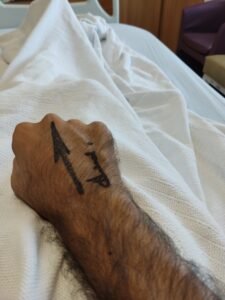
I couldn’t sleep at all that first night. The anesthesia was wearing off, and the pain from the incisions was sharp. But mostly, I was just awake, overwhelmed with the happiness of my new gift.
Then, on the second night, something unexpected happened. I was wide awake again, but not from pain or emotions. The dinner tray had come with a cup of black tea. I never drink it, especially at night, because it keeps me awake.
I refused at first, but a nurse suggested it might help relax my body. So, I drank it—big mistake. I didn’t sleep for a single second that whole night. I just kept turning from my right side to my left, over and over.
A nurse noticed my restlessness during her rounds. After a quick check of my vitals, she saw the cause wasn’t medical. She gave a knowing smile and said, “It was the tea, wasn’t it?”
In that brief moment, I felt seen and understood. It wasn’t a long discussion, but that small, professional gesture of recognition made the sterile environment feel human again.
The pain was still a deep, internal ache that never really left. The biggest challenge was still getting out of bed for the first time. It felt like running a marathon to stand up.
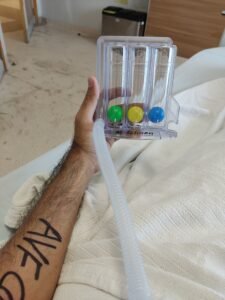
With a nurse and his assistant supporting me, I took my first shuffle down the ICU corridor. It was one of the most significant victories of my life. I looked into the other rooms with curiosity, seeing other patients on their own journeys. I wanted to save every second of that walk in my memory forever.
The New Rules: Life on Immunosuppressants After Transplant
Then came the pills. The nurse handed me a cup full of tablets and capsules—my immunosuppressants. They had actually started giving them to me one day before the surgery, twice a day, to prepare my body to welcome the new kidney.
In simple terms, these drugs tell my immune system to stand down. Their job is to protect my new kidney from my own body’s defenses. It’s a strange concept to grasp, and I’ll explain it more in a later post.
With that came a whole new awareness of germs. My world suddenly shrank to the size of a virus. Hand sanitizer became my best friend, and a simple cold was now a genuine threat.
It’s a strange feeling, learning to live in a world that seems full of invisible dangers. The first two months required extreme care, but slowly, life started to feel normal again, just with a permanent mindfulness about hygiene.
The Emotional Rollercoaster No One Warned Me About
This was my biggest surprise. I was saved and had this incredible gift from my brother, so why did I feel so overwhelmed and sometimes even sad? A heavy guilt settled on me, and I kept replaying our last moments before surgery in my mind.
We were in the operation theater area, about to be wheeled into separate rooms. I looked toward him, and he saw the fear in my eyes. He gave me a reassuring smile and a hand gesture, asking, “Are you okay?” In that moment, he was the one comforting me.
I will never forget that for the rest of my life. I felt guilty for the pain and sacrifice he was about to endure. How could I ever complain after what he did for me? It is a heavy, complicated feeling to carry.
Along with the guilt came a deep fear of losing my new gift. Every time they came to draw blood, my stomach would clench. I would hold my breath, waiting for the lab results, terrified to see if my kidney was still working.
Slowly, day by day, these intense feelings began to ease. My creatinine level reached the normal range on the third day, and seeing that number stay stable was a relief I can’t describe. It gave me the first absolute confidence that this new life could last.
The Food and Water: A Complicated Joy
After months of counting every sip, drinking water felt like magic. My nephrologist visited and asked if I could drink. When I said yes, he told the nurse to remove my IV line right away.
He said I needed to drink 3 to 4 liters a day to keep my new kidney working well. Hearing that felt like a blessing. After years of thirst, I was finally free to drink.
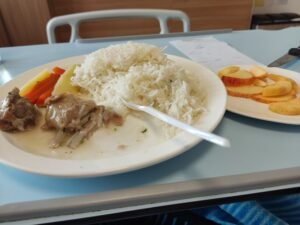
Food became a whole new adventure. I could finally eat a banana! A tomato! But it wasn’t a complete free-for-all. It was a new kind of careful, learning what foods worked best with my new medicines.
Slowly, my taste buds came back to life. I enjoyed fish, mutton, beef, chicken, and rice until I was full. From this point, life truly started to feel amazing again. Every meal felt like a small celebration and a discovery.
Going Home: The Real Work Begins
Leaving the hospital was a huge milestone, both scary and exciting. The safety net of the doctors and nurses was gone. Now, the real work was in my hands.
Walking back into my own house felt surreal. Everything looked the same, but I was a completely different person. When I saw my son and wife, I smiled.
But I felt a sharp pain in both of my cheeks and couldn’t hold the smile for more than a few seconds. I realized I hadn’t genuinely smiled for months. My depression, trauma, and fear of the future had stolen that from me.
My new normal included a strict schedule of pills. The primary medications were my immunosuppressants, taken twice daily. I was fortunate—because I had no other immune disorders and my tissue match with my brother was excellent, my medicine plan was straightforward.
Keeping these drug levels in the therapeutic zone is a constant job.
That target range isn’t the same for everyone—it’s different for each of us.
Managing this became my new normal, a daily reality to live with.
It’s a detailed journey all on its own.
I’ll share my personal experience and tips in my next post,
where I break down managing tacrolimus and keeping levels consistent.
The other big part of my new life was the hospital visits. For the first two weeks, I was at the clinic twice a week. It was hectic, I won’t lie.
But I kept reminding myself of one thing: these visits were a blessing. They were nothing compared to the laborious and devastating four-hour hemodialysis sessions, three times a week. This was follow-up care, not life support. That thought gave me so much peace.
They needed to check my blood levels constantly. As my lab results came back normal at every follow-up and my tacrolimus levels stabilized, the visits became less frequent. Slowly, life started to open up again.
The Messy, Beautiful Truth
This whole experience made me think of a Winston Churchill quote. He said, “Now this is not the end. It is not even the beginning of the end. But it is, perhaps, the end of the beginning.”
That’s precisely what my transplant was. It was the end of the beginning—the end of that desperate fight for survival.
Now the real work of living could finally start. It’s a messy and beautiful journey. Every single step forward is worth it.
In my next post, I’ll walk you through my daily life with immunosuppressants. I’ll share how these pills keep my new kidney safe and let me live an everyday and happy life.
Privacy Policy | Medical Disclaimer